The Common Mechanism
Safeguard
your synthesis
Commec is a free, open-source, globally-available tool for DNA synthesis screening.
The Common Mechanism
Commec is a free, open-source, globally-available tool for DNA synthesis screening.
Commec screens every order for biosecurity risks and regulatory compliance, while your data stays entirely under your control.
Screen according to evolving regulatory requirements and biosecurity best practices, including resilience to AI-generated variants reported in Science.
Coverage of frameworks and policy across 50+ countries, including the Australia Group, India, China, and South Africa.
Commec is free to install, fully open-source, and light enough to run on a laptop. Development and integration is supported by IBBIS, a Swiss non-profit foundation.
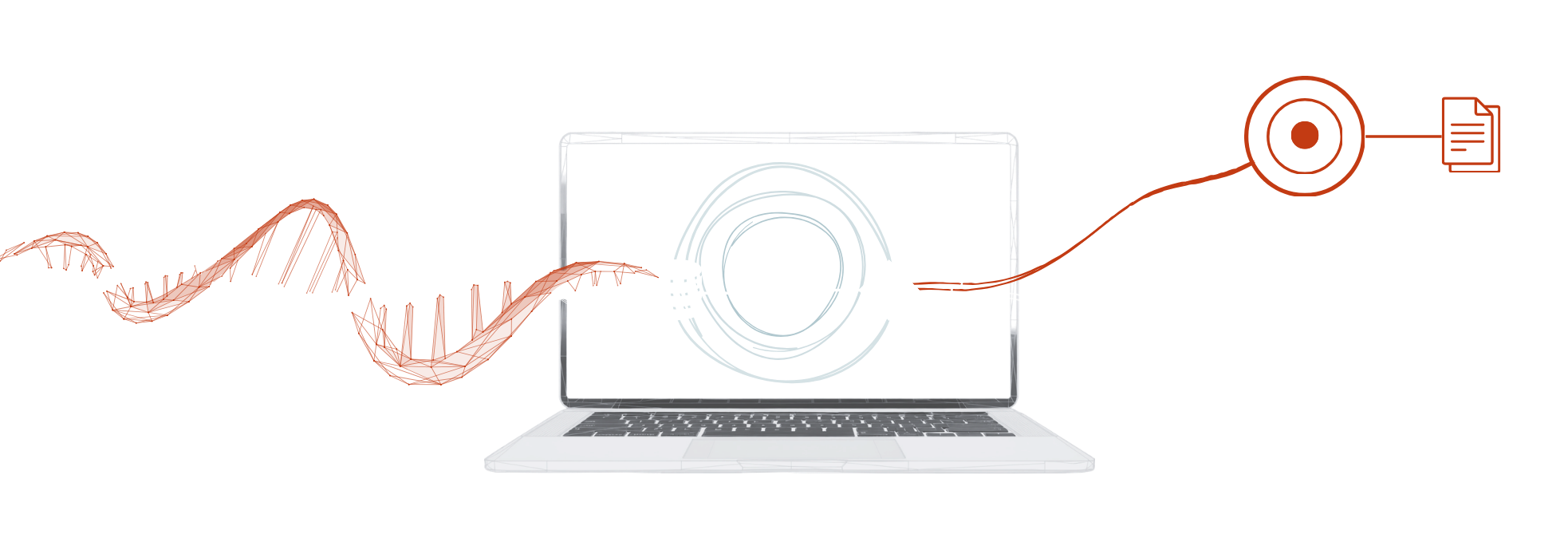
Commec tells you if an order needs attention: flagging sequences of concern, finding matches to regulated pathogens, and clearing the rest.
Benchmarked & validated
Sensitive detection of sequences of concern, evaluated against NIST benchmarks, with <2% false positives on synbio constructs.
Resilient to AI designs
Tested against AI-generated and obfuscated variants, as reported in Science, maintaining detection for novel sequences.
Local-first & private
Runs entirely on your own infrastructure, with open-source code and <10 GB of downloads. Your sequence data never leaves your systems.
Built through global collaboration, rigorously tested, and constantly evolving.
2019 - 2023
The Common Mechanism was built with the International Technical Consortium for DNA Synthesis Screening, launched by the Nuclear Threat Initiative and World Economic Forum in 2019. Technical planning started in 2020, and the databases and screening algorithm were developed between 2021 and 2023.
2024
Tested against real orders from Twist Bioscience, exceeds benchmarks by the US National Institute of Standards and Technology (NIST) and the Sequence Biosecurity Risk Consortium (SBRC)'s Bronze Standard test set. Its first version was built to meet and exceed the screening guidance from the IGSC Harmonized Screening Protocol and the U.S. Framework for Nucleic Acid Synthesis Screening.
2025
Commec's performance was tested at scale and benchmarked against other leading screening tools. It was tested against a million sequences using the SBRC's test sets, and was one of the tools tested in a Microsoft-led study, published in Science, which generated over 76,000 AI-designed variants of dangerous toxins to probe whether screening could catch them, and helped harden Commec's resilience to AI-driven threats. The study drew coverage from Nature, the Financial Times, the Washington Post, and MIT Technology Review.
2026
Commec version 2.0 launches to meet industry needs: lower storage requirements, faster processing (down to minutes), and selective flagging for region-specific compliance, supporting global partnerships across nucleic acid synthesis.
Future
Through Commec, we're working toward harmonized global screening, giving providers of all sizes, everywhere, the opportunity to join industry leaders who have already invested in screening tools. Today's version meets current needs, with dedicated support ahead as policies evolve, part of our commitment to safeguarding modern bioscience and biotechnology.
Be the first to hear about new Commec features and releases.